Global Business Company in Mauritius: Complete Guide
A Global Business Company (GBC) is a Mauritius-resident company licensed to conduct business primarily outside Mauritius. It is commonly used by internatio…
Read more →A Global Business Company (GBC) is a Mauritius-resident company licensed to conduct business primarily outside Mauritius. It is commonly used by internatio…
Read more →An offshore discretionary trust is a legal structure that allows assets to be managed by a trustee for the benefit of chosen beneficiaries, while providing…
Read more →British expats typically choose a SIPP when they want to keep their pension under UK regulation, while a QROPS is often considered by those planning to ret…
Read more →A foundation is usually used to preserve wealth, guide succession, and establish family governance, while a holding company is used to own and manage busin…
Read more →An offshore trust can help protect assets in divorce if it is established properly, funded well before marital disputes arise, and structured in accordance…
Read more →Individuals typically establish an offshore trust when asset protection, international wealth management, or long-term succession planning become significa…
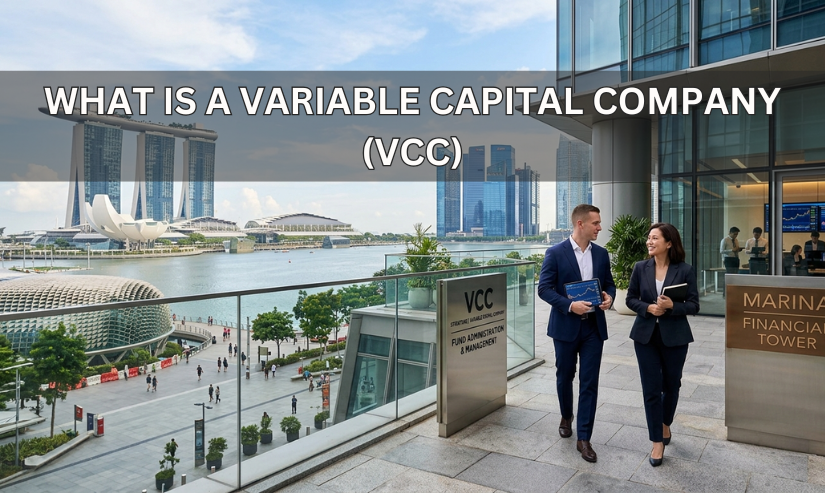
Read more →A Variable Capital Company (VCC) is a corporate structure introduced in Singapore specifically for investment funds. It provides greater flexibility in cap…
Read more →Investors buy property and land in Portugal through companies to hold, manage, or develop real estate assets. Company ownership can provide liability prote…
Read more →The advantages and disadvantages of NRI foundations include wealth succession planning, asset management, and charitable giving benefits, alongside higher …
Read more →China’s ultra direct investment initiative refers to China’s broader global investment strategy for managing foreign direct investment (FDI) and outbound d…
Read more →