The $1M Trump Gold Card Is Here: Which Tier Fits You Best?
The Trump Gold Card is a newly announced immigration pathway requiring a minimum $1 million contribution to the US government, offering permanent residency…
Read more →The Trump Gold Card is a newly announced immigration pathway requiring a minimum $1 million contribution to the US government, offering permanent residency…
Read more →Many countries allow offshore banking, including Switzerland, Singapore, and the Cayman Islands, giving individuals and businesses access to global financi…
Read more →Offshore banking in Vanuatu is built on a tax-free system with no personal or corporate income taxes, attracting global investors seeking asset protection …
Read more →Deciding where to set up an offshore business starts with defining your goals and then matching them with the right jurisdiction. The process typically inv…
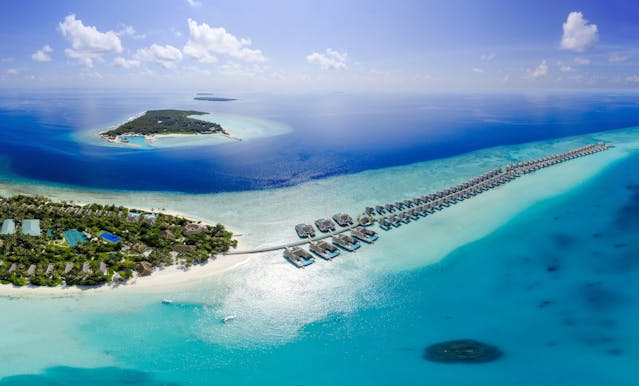
Read more →To open a business in the Maldives, you must first decide on the business structure, usually a private limited company, reserve a company name with the Min…
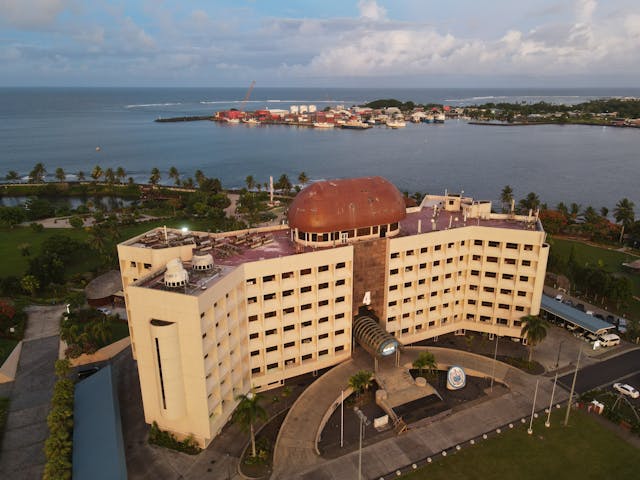
Read more →Setting up a business in Samoa typically involves choosing the right company structure, reserving a name, preparing governing documents, and submitting you…
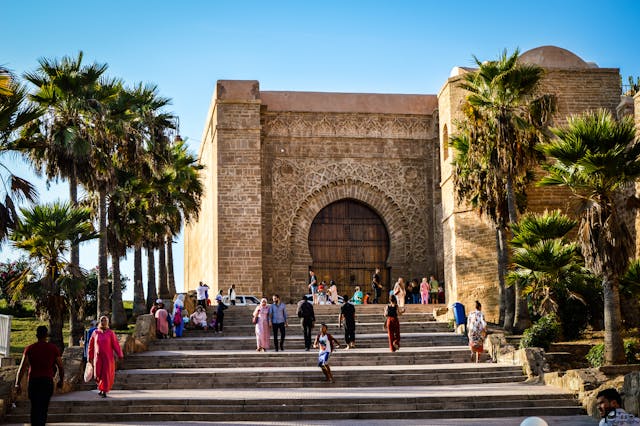
Read more →Setting up a company in Morocco involves a straightforward process: choose a legal structure, reserve your company name through OMPIC, prepare articles of …
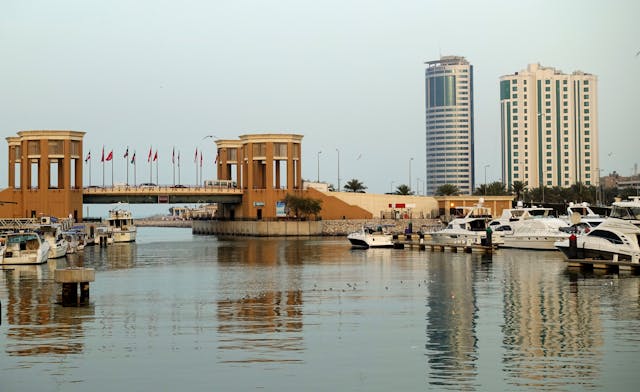
Read more →Starting a company in Bahrain involves choosing the right legal structure, reserving a trade name, registering online through the government’s Sijilat port…
Read more →To register a company in Botswana, you begin by reserving a company name online with the Companies and Intellectual Property Authority (CIPA) and registeri…
Read more →Lithuania offers a pathway to reclaim nationality through ancestry, allowing descendants of Lithuanian citizens to restore their ties to the country. Lithu…
Read more →