Top 5 Richest Middle Eastern Countries You Should Know
If you are looking to invest as an expat or high-net-worth individual, which is what I specialize in, you can email me (advice@adamfayed.com) or WhatsApp (+44-7393-450-837).
Introduction
Knowing the richest Middle Eastern countries is crucial for investors looking to expand their businesses or make new investments in the region. These countries are known for their robust economies, and their business-friendly environments make them attractive destinations for foreign investors.
As a region known for its wealth and opulence, the Middle East has become a hub for international business, attracting investors from all corners of the globe. As such, both local and foreign investors need to understand these countries’ economic and social landscapes.
Understanding the strengths and weaknesses of these countries can help investors make informed decisions about where to invest their money and how to navigate the local business landscape.
This blog aims to provide readers with a comprehensive overview of the richest Middle Eastern countries, including their economic, social, and political landscapes. By reading this blog, readers will also examine the outlook for the future as these countries continue to grow and evolve.
Whether you are a seasoned investor or just starting in the business world, this blog will provide valuable insights and information that can help you succeed in the Middle Eastern market.
What are the top five richest Middle Eastern countries you should know?
The Middle East is home to some of the wealthiest nations in the world, with vast oil reserves, strong economies, and strategic geopolitical importance.
For locals and foreigners living, working, and investing in these countries, the wealth of these nations means a high standard of living, strong job opportunities, and a well-developed infrastructure.
For investors, the wealth of these nations represent an attractive investment opportunity, but it is important to understand the unique economic and political landscape of each country to make informed decisions.
Here are the top five richest Middle Eastern countries you should know, according to data from the International Monetary Fund (IMF) in 2022:
Saudi Arabia
Saudi Arabia has a GDP of $1.732 trillion, making it the richest country in the Middle East. The country’s wealth comes from its vast oil reserves, which have helped fuel its economic growth.
Saudi Arabia is known for its strict social and religious customs, but it has recently made efforts to attract foreign investors and diversify its economy beyond oil.
United Arab Emirates (UAE)
The UAE’s GDP is $673 billion, making it the second-richest country in the Middle East. The country’s wealth is driven by its oil and gas reserves, as well as its thriving tourism industry and world-class infrastructure.
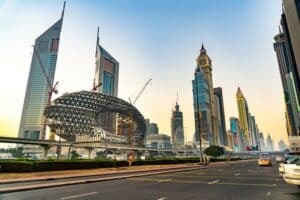
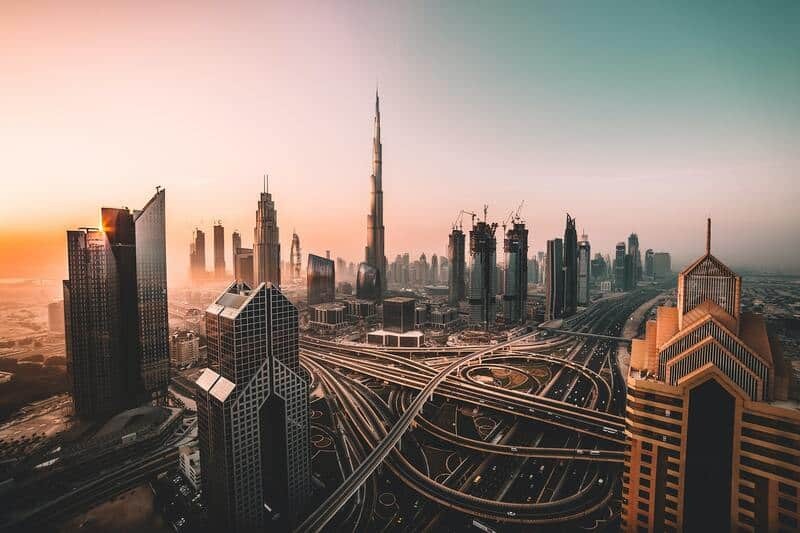
The UAE is known for its modern cities, including Dubai and Abu Dhabi, which are home to some of the tallest skyscrapers in the world.
Qatar
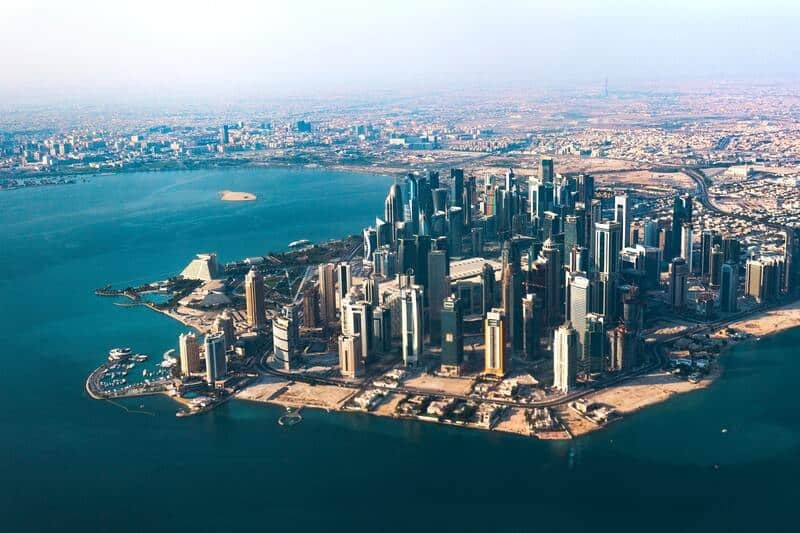
With a GDP of $258 billion, Qatar is the third wealthiest country in the Middle East. The country’s wealth comes from its large oil and gas reserves and its thriving financial sector. Qatar is known for its luxurious lifestyle and high standards of living, with a booming real estate market and world-class infrastructure.
Kuwait
Kuwait has a GDP of $ 211 billion, making it the fourth-richest country in the Middle East. The country’s wealth comes from its vast oil reserves, which have helped fuel the country’s economic growth.
Kuwait is known for its high standard of living, with a well-developed healthcare system and a strong education system.
Bahrain
With a GDP of $75 billion, Bahrain is the fifth-richest country in the Middle East. The country’s wealth is driven by its oil and gas reserves and its thriving financial sector.
Bahrain is known for its liberal business environment, well-established regulatory framework and low tax rates.
What are the primary drivers of economic growth in these countries?
The primary drivers of economic growth in the richest Middle Eastern countries are typically their vast reserves of natural resources, including oil, natural gas, and minerals.
These countries have some of the world’s largest oil reserves, and the oil industry accounts for a significant portion of their GDP and exports.
In addition to natural resources, these countries have invested heavily in infrastructure, such as transportation networks, ports, and airports, to support the growth of their economies.
Another key driver of economic growth in these countries is foreign investment. The governments of the richest Middle Eastern countries have implemented policies to attract foreign businesses and investors, such as providing tax incentives, streamlined regulatory processes, and generous funding for startups and innovation.
This has led to a thriving business ecosystem in these countries, with a significant presence of multinational corporations and startups in various industries, including finance, technology, and healthcare.
Finally, many of the richest Middle Eastern countries have also developed significant tourism industries. With their unique cultural and natural attractions, such as historic landmarks, luxurious resorts, and pristine beaches, these countries have become popular tourist destinations, attracting millions of visitors each year.
This has created new job opportunities and boosted economic growth, particularly in the hospitality and service industries.
How do these countries’ economic and social policies compare to those of other regions in the world?
The economic and social policies of the richest Middle Eastern countries can vary greatly from those of other regions in the world, as each country has unique political and economic systems.
The richest Middle Eastern countries generally have business-friendly economic policies, such as low taxes and streamlined regulatory frameworks, to attract foreign investment.
However, some of these countries also have state-controlled economies, with the government playing a significant role in the management and direction of the economy.
This approach is similar to some countries in Asia, such as China and Singapore, where the government plays a significant role in the economy. In contrast, Western countries tend to have more market-driven economies, with limited government intervention in business affairs.
These countries also have varying social policies, often influenced by their religious and cultural traditions.
For example, some countries, such as Saudi Arabia, have strict social codes and laws limiting personal freedoms and women’s rights.
Other countries, such as the UAE, have made strides in promoting gender equality and inclusivity, allowing women to hold high-level government positions and work in male-dominated industries.
In contrast, many Western countries have more liberal social policies, emphasizing personal freedoms and individual rights.
They are also often involved in complex international relations due to their strategic location and significant natural resources.
Many of these countries have developed close ties with other nations, particularly the United States and European countries, through economic and diplomatic relationships.
However, some of these countries have also been subject to international scrutiny and criticism, particularly regarding human rights and political freedoms.
In contrast, other regions, such as Africa and South America, have often been characterized by more complicated international relationships, emphasizing regional alliances and conflict.
How has the wealth of these countries impacted their domestic and foreign policies?
The wealth of the richest Middle Eastern countries has significantly impacted their domestic and foreign policies.
The vast wealth of these countries have allowed their governments to invest heavily in infrastructure, public services, and social welfare programs.
For example, Qatar has built world-class transportation systems, including an extensive metro system and a new airport, while the UAE has invested in developing renewable energy and green technology.
Additionally, some of these countries have implemented policies to diversify their economies, such as investing in knowledge-based industries and promoting entrepreneurship. However, some of these countries have also faced criticism for their strict social policies, particularly in regard to personal freedoms and political rights.
The wealth of these countries has also allowed them to become major players in the global economy and geopolitics. These countries have used their financial resources to establish strategic alliances and promote their interests on the global stage.
For example, Qatar has played a leading role in supporting the Palestinian cause and mediating regional conflicts, while Saudi Arabia has pursued a more assertive foreign policy, particularly in oil production and regional security.
Many of these countries have also developed close ties with major world powers, particularly the United States, through economic and diplomatic relationships.
It has also allowed them to become significant donors of humanitarian aid to countries in need.
For example, the UAE has provided humanitarian aid to countries affected by natural disasters, conflicts, and other crises, including Myanmar’s Rohingya refugee crisis and Nepal’s earthquake.
Similarly, Qatar has established partnerships with international organizations to provide aid and support to refugees and victims of conflicts in Syria and Yemen.
How have these countries diversified their economies to ensure sustainable growth in the long term?
The richest Middle Eastern countries have recognized the importance of diversifying their economies beyond their traditional reliance on natural resources to ensure sustainable growth in the long term.
Several of them, including the UAE, Qatar, and Saudi Arabia, have invested significantly in developing knowledge-based industries such as information technology, telecommunications, and biotechnology. They have established innovation hubs, research centers, and science parks to promote research and development and foster entrepreneurial ecosystems.
Many have also developed significant tourism industries to attract visitors from around the world. These countries have invested in infrastructure and amenities to make their countries more attractive to tourists, including luxurious resorts, theme parks, cultural landmarks, and shopping destinations.
Some, including the UAE and Bahrain, have developed significant financial services sectors, including banking, insurance, and investment management. They have established financial centers that serve as international banking and finance hubs.
Many have also invested heavily in logistics and transportation infrastructure to facilitate trade and commerce. They have developed ports, airports, and highways to support the movement of goods and services across the region and around the world.
These countries have also recognized the potential of renewable energy and have invested heavily in developing sustainable energy sources such as solar and wind power. For example, the UAE has launched several initiatives to promote clean energy and aims to generate half of its energy from renewable sources by 2050.
What are the challenges and opportunities for businesses and investors in these countries?
Operating a business or investing in the richest Middle Eastern countries can present both opportunities and challenges.
While many of the richest Middle Eastern countries have made significant progress in creating business-friendly environments, regulatory challenges remain. Businesses need to be aware of the specific regulations and laws that govern their industry and operations in each country.
The Middle East has a unique culture and language, which can be a barrier for businesses and investors unfamiliar with the region. Companies must ensure a strong understanding of local customs, beliefs, and business practices to build successful relationships.
Some of the richest Middle Eastern countries also have faced political instability in the past or are located in regions with ongoing conflict, which can create uncertainty for businesses and investors. Companies should assess the potential risks and stability of the region before making significant investments.
But, it is also important to consider that many of these countries are situated at the crossroads of major trade routes, making them important hubs for commerce and trade. Companies that establish a presence in these countries can access large markets and take advantage of the region’s favorable geographical location.
Several countries also have invested heavily in education and training, producing a highly skilled workforce that can support a range of industries. This makes the region an attractive destination for businesses looking to tap into a talent pool with diverse skills and expertise.
They also offer favorable tax incentives and other financial benefits to businesses and investors, including exemptions from income tax and customs duties. This can significantly reduce the cost of doing business in the region.
Finally, they all have a rapidly growing consumer market with high disposable income levels, providing opportunities for companies in retail, consumer goods, and luxury brands.
What is the outlook for these countries’ future economic growth and development?
The outlook for future economic growth and development in the richest Middle Eastern countries is generally positive, with many of these countries investing in diversification efforts to ensure long-term sustainability.
For one, the United Arab Emirates has launched several initiatives aimed at building a knowledge-based economy and fostering innovation, including establishing free zones, research centers, and technology parks.
Qatar is investing in infrastructure projects, such as the development of the Hamad Port and the expansion of the Hamad International Airport, to support the growth of its tourism and logistics sectors.
Saudi Arabia’s Vision 2030 plan aims to diversify the economy from oil and gas to areas such as tourism, manufacturing, and healthcare.
Additionally, many of these countries are exploring opportunities in renewable energy. For instance, the UAE has set a target of generating 50% of its energy from clean sources by 2050, while Saudi Arabia is planning to build the world’s largest solar farm.
However, challenges such as changing global trends and technological disruptions could impact future economic growth and development.
Furthermore, geopolitical tensions, security risks, and regional conflicts can negatively impact the region’s economic and investment climate.
What can other countries learn from the experiences of the Middle Eastern economies in terms of economic policy and development strategies?
Other countries can learn several key lessons from the experiences of the richest Middle Eastern economies in terms of economic policy and development strategies.
Firstly, these countries have shown the importance of investing in infrastructure, education, and human capital. By building world-class airports, ports, and transport systems, as well as investing in education and healthcare, these countries have been able to attract foreign investment and build highly skilled workforces that can compete in the global marketplace.
Secondly, these countries have demonstrated the benefits of diversification, both in terms of sectors and markets. By investing in various sectors, such as tourism, finance, real estate, and technology, these countries have reduced their dependence on natural resources and created more sustainable, resilient economies.
Additionally, by looking beyond their borders and seeking global opportunities, they have been able to tap into new markets and access new sources of revenue.
Thirdly, the Middle Eastern economies have shown the importance of strategic planning and long-term thinking. By setting clear goals and developing comprehensive plans to achieve them, these countries have been able to stay on course and weather short-term economic fluctuations.
Additionally, by engaging in ongoing dialogue with the private sector and other stakeholders, they have identified emerging trends and adapted their strategies accordingly.
Lastly, these countries have demonstrated the importance of creating a favorable investment climate. By reducing red tape, streamlining bureaucracy, and implementing business-friendly policies, they have attracted foreign investment and encouraged domestic entrepreneurship.
Conclusion
In conclusion, the richest Middle Eastern countries have made significant strides in economic development and growth, driven by a combination of natural resources, strategic investments, and forward-looking policies.
These countries have established themselves as leading regional and global players, with impressive GDP levels and a high standard of living for their citizens.
In the coming years, it will be fascinating to see how the Middle Eastern economies continue to evolve and respond to the changing global landscape.
As the world becomes increasingly interconnected and complex, the region will likely continue to play an important role in shaping the global economy and driving innovation and growth.
Pained by financial indecision? Want to invest with Adam?

Adam is an internationally recognised author on financial matters with over 830million answer views on Quora, a widely sold book on Amazon, and a contributor on Forbes.